Reasons Heat Pumps May Struggle During Extreme Weather
AC units take an absolute beating whenever extreme weather rolls through Miami. When you mix the intense heat with the brutal humidity and constant salty air, it’s a perfect storm for early HVAC breakdowns. If you run a heat pump, you’ll probably notice it straining to keep up during sudden temperature swings or right after a massive thunderstorm. Keeping tabs on these warning signs and catching repairs early is the best way to keep your home comfortable and protect your wallet.
Hurricanes
Miami hurricanes can easily rip a heat pump right off its pad. Flying debris can dent coils and snap critical refrigerant lines. You need a secure tie-down system to keep your unit from flying away.
Lightning Storms
A single lightning bolt can instantly fry your heat pump’s delicate circuit boards. Lightning may trigger massive power surges that destroy the compressor. Investing in high-quality surge protection is an excellent way to prevent a total system meltdown.
Heavy Rainfall
During torrential downpours, rainwater will flood the area around your outdoor unit if it can’t drain away properly. When this happens, standing water may short out the wiring and rust the fan motor from the inside out. Proper drainage is crucial to keeping your equipment from suffering water damage.
High-Wind Events
Gale-force winds force dirt and heavy sticks deep into the top grille of the heat pump’s outdoor cabinet. This suffocating debris restricts airflow and forces the motor to work twice as hard. Eventually, the system may overheat and shut down.
Extreme Humidity
Thick Miami humidity forces your heat pump to work in overdrive just to remove moisture. This constant strain accelerates wear and tear on the electrical parts. When the system never rests, your energy bills skyrocket.
Salt-Air Exposure After Storms
Storm winds coat your unit in a thick, highly corrosive layer of ocean salt. This sticky residue eats through the aluminum fins and ruins the unit’s heat transfer efficiency. Rinsing the coils after a storm is vital to stopping premature rust.
Heat Waves
Blistering summer heat waves push your system to its absolute breaking point. The compressor may struggle to dump heat outside because the air is already scorching. Without routine tune-ups, the entire unit will eventually give out.
How Do I Know If Extreme Weather Is Affecting My Heat Pump?
Miami storms can do a number on your AC without shutting it down all at once. Taking a few minutes to check on your equipment after a rough storm can save you from a massive headache down the road.
Unusually High Energy Bills
If your electricity costs suddenly skyrocket after a bad storm, your system is likely working against a hidden problem. Flying debris or water intrusion often forces the internal components to strain much harder than they should to keep your house cool. Keeping an eye on your utility statements is the easiest way to catch these silent efficiency killers.
Heat Pump Running Constantly
Your cooling system should never have to run 24/7 without a break. Severe weather frequently damages delicate outdoor sensors, leaving the entire system confused about the actual temperature outside. If you notice the outdoor unit running a relentless marathon, turn it off before the compressor burns out.
Weak Airflow From Vents
When the air coming out of your vents feels like a weak whisper, your heat pump is probably suffocating. High winds love to pack wet leaves, twigs, and loose yard trash against the outdoor coils, completely blocking the airflow. Clearing away that debris is usually all it takes to get your indoor breeze back to normal.
Strange Noises After Storms
You should never ignore sudden rattling, loud buzzing, or grinding sounds coming from your unit after a storm passes. Gale-force winds routinely bend the fan blades or force loose sticks directly into the fast-moving parts. Shutting the system down immediately prevents trapped objects from permanently destroying the expensive motor.
Outdoor Unit Covered in Debris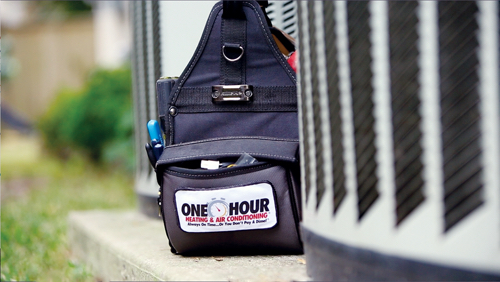
A quick visual check of your yard after a severe thunderstorm can save you thousands of dollars in replacement costs. Heavy rain and high winds frequently plaster the outdoor cabinet with thick mud, grass clippings, and fallen branches. This suffocating layer traps heat inside the mechanism, quickly triggering a catastrophic system failure.
System Frequently Short Cycles
If your heat pump starts turning on and off every few minutes, it’s desperately trying to protect itself from completely giving out. Power surges from nearby lightning strikes or localized flooding can easily trigger erratic electrical shorts that disrupt the normal cooling cycle. If you don’t take fast action, a unit that continues to short-cycle may ruin the starter components.
Uneven Temperatures Throughout the Home
Storm damage can easily leave your kitchen feeling like an icebox while your master bedroom stays as sticky as a sauna. This is because when extreme weather impacts the system’s internal pressure, the unit loses its ability to push conditioned air evenly through your ductwork. A professional technician can run a static pressure test and look at your duct connections to see whether hidden wind damage has disconnected a line or crushed a vital vent.
What Is the Best Way to Protect a Heat Pump From Extreme Weather in Miami?
Defending your cooling equipment requires the combination of smart hardware upgrades with consistent property upkeep. Before a major tropical depression rolls through, clear your yard of loose patio furniture, toys, and lightweight planters that could easily smash into the unit’s delicate aluminum fins.
When the skies clear, make it a habit to gently rinse down the external cabinet with fresh garden hose water. This simple step washes away accumulated coastal salt, sand, and sticky grime that accelerates metal corrosion.
For long-term peace of mind, scheduling professional pre-season maintenance ensures your drain lines stay clear and electrical connections remain tightly sealed. It also helps to have a whole-house surge protector installed directly inside the main electrical panel; this way, if a stray bolt of lightning were to strike a transformer down the street, you’ll have automatic protection against the massive voltage spike that would otherwise fry your system’s motherboard.
One Hour Air Conditioning & Heating is here to answer any questions you have about protecting your heat pump against severe weather in Miami. We’re just a phone call away anytime your heat pump needs professional repair or replacement.
