How Neglecting Maintenance Impacts Energy Bills
Engaging in routine air conditioner maintenance is one of the easiest ways to ensure that it lasts for the entirety of its useful life. Neglecting to maintain your unit may cause it to use more energy, which means that it’s working hard than it needs to. In addition to faster wear of key parts, you’ll contend with higher energy bills and the potential for uneven cooling.
Debris Can Get Inside of the Condenser Unit
Condenser units are notoriously vulnerable to debris such as dust, dirt and pollen getting inside of them. Over time, these and other substances collect on fan blades or other interior parts to create a heavy layer of material. The heavier the fan blades and other parts are, the harder they have to work to keep your home at your required temperature.
A condenser unit can also be vulnerable to grass clippings, leaves or sticks getting stuck inside of them. Exposure to moist air and rain can attract ants, mice or other pests that cause even more damage.
An annual inspection and cleaning can remove debris and find signs of damage before it becomes too difficult or costly to fix. Routine inspections also provide an opportunity to change the air filter and lubricate key parts.
Don’t Forget About Electrical Issues
A lack of maintenance can result in power failures, electrical shorts or other problems that can lead to serious damage. Often, electrical issues are caused by the unit running for too long because it can’t meet your needs in a typical cycle. Ideally, your cooling system will cycle for 15 to 20 minutes before shutting off.
An exception may be made for extremely hot or humid days when it may have to run nonstop, which many systems are designed to do so over a period of a day or two. In some cases, the damage caused by irregular cycling might necessitate the full replacement of your air conditioner. This can cost thousands of dollars and leave you without a functioning cooling system for several days.
All of this can be avoided by simply having your unit inspected once or twice a year. After the inspection is complete, you’ll be given a report that outlines everything that should be done immediately as well as other issues that might need your attention soon.
The Issues Only Get Worse as the Unit Ages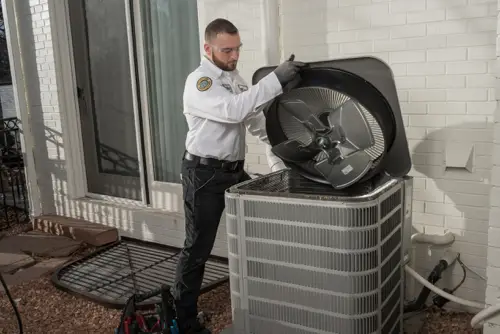
Typically, a cooling system will last for about 10 years when exposed to Florida’s extreme heat and humidity. However, you’ll likely find that wear and tear means that your cooling system becomes less efficient long before it eventually gives out.
Ultimately, this means that maintaining your unit becomes even more important as it ages. Otherwise, you might find that it won’t cool your home or cool it consistently. This can lead to some parts of your house feeling extremely cold while other parts of your home don’t feel much cooler than the outdoors.
Negligence May Cancel an Otherwise Valid Insurance or Service Claim
Higher energy bills and maintenance costs are just one issue to consider when you neglect to maintain your cooling unit. In some cases, damages might not be covered by your existing service plan or by your current insurance company.
Let’s say that your air conditioner stopped working because of pest or water damage. In many cases, water damage is a valid reason to file a claim under a home insurance policy. However, if the damage was caused by pests or water that lingered in your cooling system for months or years, your insurance company may say that your claim is the result of homeowner negligence.
The same might be true if your cooling system is damaged by an electrical short or fire resulting from years of deferred maintenance. Therefore, instead of getting a new cooling system at low or no cost to you, you’ll be paying for a replacement as well as to fix any secondary problems caused by your lack of maintenance.
Failing to maintain your home’s cooling system is a mistake that will literally cost you over time. The team at Miami One Hour can provide prompt, professional and courteous service to ensure that your home is comfortable and safe to live in at all times. Remember, if we’re not on time, you don’t pay a dime. Therefore, you don’t need to worry about paying for anything other than quality service and quality products that will work for years to come.
Frequently Asked Questions: AC Maintenance
Will skipping AC maintenance really increase my energy bills?
Yes. When debris builds up on fan blades and internal parts, they become heavier and have to work harder to cool your home. This extra strain causes your unit to consume more energy than necessary, which shows up directly on your utility bills.
What kind of debris can damage a condenser unit?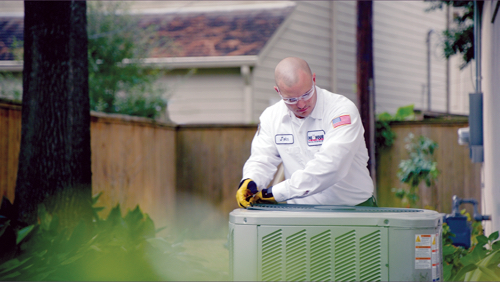
Dust, dirt, and pollen are the most common culprits, accumulating on fan blades and interior parts over time. Grass clippings, leaves, and sticks can also get lodged inside. Moisture and rain can then attract pests like ants and mice, causing additional damage.
How long should my AC run per cycle?
A healthy AC cycle typically runs 15 to 20 minutes before shutting off. On extremely hot or humid days, your system may run continuously for a day or two — most modern systems are designed to handle this. Consistent over-cycling outside of these conditions is a warning sign worth investigating.
Can lack of maintenance cause electrical problems?
Yes. When a unit runs longer than normal because it can’t keep up with demand, it puts stress on electrical components. This can lead to power failures, electrical shorts, or even fire. In serious cases, the damage may require a full replacement costing thousands of dollars.
Could neglecting maintenance void my insurance or service plan?
Potentially, yes. If damage from pests, water, or electrical issues can be traced back to prolonged neglect, your insurance company may deny the claim on the grounds of homeowner negligence. This means you’d pay out of pocket for both the unit replacement and any secondary damage.
How often should I have my AC inspected?
Once or twice a year is recommended. A routine inspection typically includes cleaning out debris, changing the air filter, lubricating key parts, and identifying any issues before they become costly repairs.