Preventing Rust Inside Your Heater in Humid Coastal Air
Many people dream about living next to the ocean. While coastal living has its charm, there are also hidden dangers to watch out for. Over time, coastal air can cause corrosion. To avoid costly repairs and replacements, it’s important to prevent rust through a few proactive tips and routine maintenance.
Why Does Rust Form Inside of Heaters?
While your heating, ventilation, and air conditioning (HVAC) systems function as contained units, they are not airtight. When you live in a coastal environment, salt and humidity can easily get inside.
Over time, salt will accelerate corrosion. Metal-based components, like burners, heat exchangers, and electrical connections, will need to be repaired or replaced prematurely.
Besides the salt air, there are a few other factors that can lead to rust. High indoor humidity levels and poor ventilation cause moisture to remain on the metal. Additionally, clogged units can restrict airflow and lead to higher moisture levels.
Signs of Rust and Moisture Damage
There are a few common signs of rust and moisture damage. If you notice any of these issues, you should immediately schedule an HVAC appointment to get your system looked at.
- Rust on the metal components
- Musty odors from mildew and mold growth
- Inexplicably high energy bills
- Frequent cycling
- Pitting on the metal components
- Poor airflow
Ways To Prevent Rust
Over time, rust can lead to excessive damage. It can cause parts to fail prematurely. The added wear also strains the system, resulting in higher energy bills. If your HVAC unit is exposed to coastal air, it pays to be proactive about maintenance and repairs. The following tips will help you prevent rust from damaging your system.
Use a Dehumidifier
While you can’t control the humidity level outside your home, you can change the amount of moisture present indoors. Ideally, humidity levels should stay around 40% to 60%. This level maximizes the comfort of your loved ones and prevents moisture-related issues.
You should test your indoor humidity to see how high it is. If it is too high, our team can install a whole-home dehumidifier to remove excess moisture from the air.
Rinse Your Outdoor Unit
One way to prevent rust from building up on your outdoor unit is by rinsing it. This should be done with a hose. Never use a pressure washer because the high pressure can damage your HVAC system’s interior components.
Once the unit has been rinsed off, allow it to dry out completely. We generally recommend performing this maintenance task once per month during the most humid times of the year.
Change Your Filters
When air filters become clogged, it prevents proper airflow. This can result in moisture accumulating within your HVAC system. Over time, clogged filters can cause added strain and lead to more frequent repairs.
To see how often you should change your filter, you should read through the manufacturer’s specifications. While this requirement varies between different furnace manufacturers, you should generally change filters every 30 to 90 days. During periods of peak usage, you will need to change the filter more frequently.
Remember To Schedule Your Tune-Ups
One of the most important things you can do to keep your furnace working properly is to schedule a tune-up. We recommend scheduling a heating tune-up in the fall before cold weather arrives.
During this tune-up, one of our HVAC technicians will inspect the furnace for signs of wear. We’ll clean the unit, lubricate moving parts, and test its performance. If there are any issues, we can recommend the best course of action.
Invest in a Coastal-Grade Unit
When you buy a new furnace, it’s a good idea to find units that are designed for coastal air. These units come with anti-rust coatings that prevent rust from damaging metal components.
Use a Protective Coating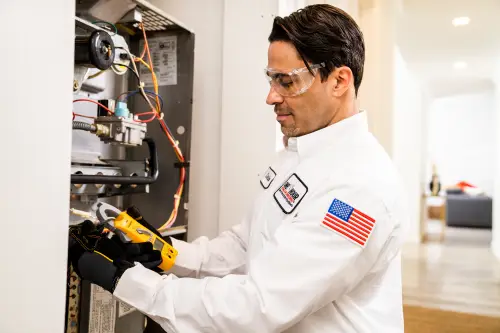
If your current furnace isn’t designed for coastal air, you may want to protect it with an anti-corrosion coating. You can talk to one of our technicians about the effectiveness of these coatings for your outdoor unit’s coils and metal components. Once this coating is added, it serves as a barrier that prevents salt exposure and the elements from causing corrosion.
Clean the Condensate Drain Line
When there is excess humidity in the air, your HVAC system produces more condensation. Normally, this condensation leaves your home through the condensate drain line. If this line becomes clogged, it can lead to water damage inside your home. Additionally, it can also cause your system to completely shut off. Because of this, it’s a good idea to get this line flushed during a routine tune-up.
Why Local Residents Trust One Hour With Their HVAC Repairs and Maintenance
At Miami One Hour Air Conditioning & Heating, we have years of experience helping local residents with their furnaces and heating systems. Miami homeowners turn to us for a few key reasons.
- Local Experience: Because we understand the local area, we know the best methods for managing climatic conditions and ensuring a comfortable home.
- Timely Support: Our team is committed to providing prompt support. When your furnace stops working, we offer the immediate assistance you need.
- Exceptional Expertise: Over the years, our HVAC technicians have developed an exceptional level of expertise.
- Courteous Technicians: We pride ourselves on our high level of professionalism.
Protect Your Heater’s Performance and Longevity
While balmy breezes and days at the beach are an essential part of life in Miami, the coastal air comes at a cost. Over time, salt and humidity can cause corrosion in metal HVAC components. To prevent rust, it’s important to be proactive about routine maintenance. Through consistent tune-ups, you can avoid rust and diagnose problems before they escalate. Learn more by giving Miami One Hour’s expert technicians a call today!
